A typical 1,000 gallon residential septic tank needs pumping every 3 to 5 years, and the exact interval depends on tank size and how many people live in the house. Skip it too long and you risk backups. Gardena homes on older systems should track the last pump date. Book septic pumping service before problems start.
Three to five years is the standard window for a household tank, but that range moves with occupancy. A family of six fills a tank faster than a couple living alone, so the low end of that range fits bigger households. Homes near Alondra Park, 2.0 miles west of Gardena, and homes closer to Lawndale, 3.1 miles west, sit on the same kind of soil and lot sizes, so the same guidance applies across that stretch. If your system also handles a garbage disposal or heavy laundry volume, pump sooner rather than later. Commercial kitchens are a different animal entirely: grease trap pumping runs on its own schedule tied to buildup, not years. A grease interceptor gets pumped once fats, oils, grease and solids reach 25 percent of the liquid depth, which can happen in weeks at a busy restaurant. Residential owners should check septic tank warning signs between scheduled visits rather than waiting for the calendar. For sites without permanent plumbing at all, a rented unit through holding tank rental sidesteps the pumping question until construction wraps.
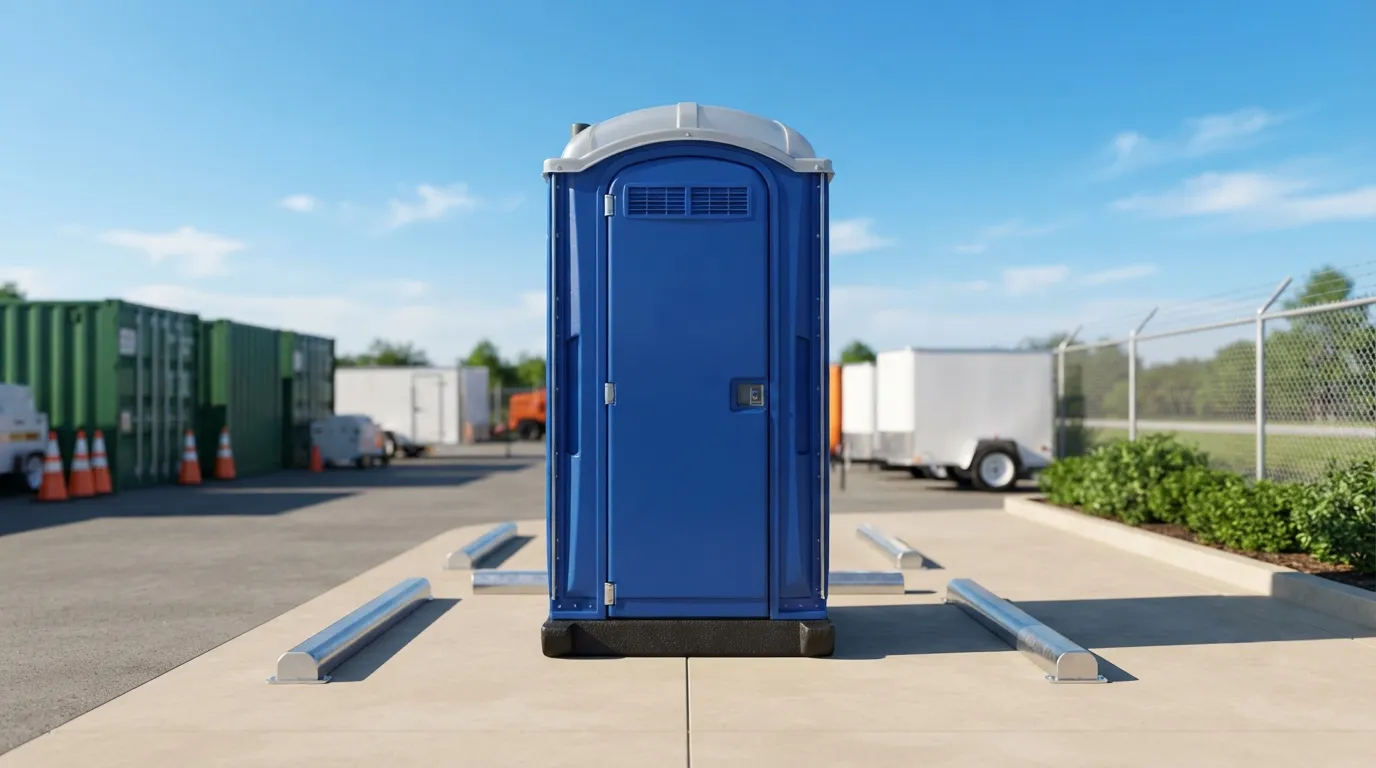
Tank size and household size drive the schedule more than anything else. A small tank serving a full house fills faster than a large tank serving two people, so septic tank cleaning crews base the interval on both numbers together, not one alone. Water usage matters too. Long showers, frequent laundry loads and a disposal that runs daily all push solids toward the tank faster than a household that conserves. Gardena properties near West Athens, 2.4 miles north, often share similar lot sizes and similar tank ages, which makes neighborhood comparisons a reasonable starting point when you are guessing at your own schedule. If you notice slow drains or standing water near the drain field, do not wait for the 3 to 5 year mark. Check septic tank warning signs and call for emergency septic service if the situation looks urgent. Renovation projects that add bathrooms or bedrooms change the load on a system fast, so anyone mid-remodel should also look at home renovation porta potty options to take pressure off an aging tank while work is underway.
Pricing depends on tank access, tank size and how urgent the visit is. A same-day septic call typically runs higher than a scheduled weekday appointment, and weekend service carries its own premium above a standard day rate. Here is the general range:
| service | duration | typical range |
|---|---|---|
| septic pumping | day | $150 to $300 |
| septic pumping | weekend | $50 to $150 |
Full details live on septic tank pumping cost, including what changes the number for your specific property. Homes farther out, like those near Hermosa Beach at 6.7 miles west, may see a delivery or travel component added depending on distance from base. If your property sits close to West Rancho Dominguez, 3.1 miles east, scheduling tends to be more flexible since crews already run routes through that corridor. Construction sites that need sanitation instead of septic work should look at construction site services or a straightforward porta john rental rather than touching an existing tank at all.
A bigger tank holds more before it needs pumping, plain and simple. Two households with identical water use but different tank sizes will land on different schedules, which is why a blanket number never fits every Gardena property the same way. If you are unsure what size tank sits under your yard, a technician checking during a septic pumping service visit can confirm it and set a realistic future date. This matters more once you factor in ANSI/PSAI Z4.3, the portable sanitation service standard that sets a baseline weekly service interval for temporary toilet units, which is a useful comparison point: temporary equipment gets serviced on a fixed weekly rhythm regardless of tank size, while a buried septic tank runs on a multi-year cycle tied to capacity. For anyone hosting an event on a property with a strained system, renting a restroom trailer rental or a set of standard porta potty rental units keeps guest traffic off the septic tank entirely during peak use.
Slow drains, gurgling pipes, sewage odor near the drain field, or standing water over the tank are the clearest signs. Check septic tank warning signs for the full list. If any of these show up, do not wait for the 3 to 5 year mark. Call for service the same week.
Solids build up until they clog the outlet and back into the house or flood the drain field. That repair costs far more than routine septic tank cleaning. Regular pumping on the 3 to 5 year schedule is cheaper than emergency repair every time.
Yes. More people means more water and more solids entering the tank each week, which pushes the interval toward the 3 year end of the range rather than 5. A technician can estimate your specific timeline during a septic pumping service visit based on tank size and household count.
It can. Disposals add solid waste volume to the tank that would otherwise go in the trash, which fills the tank faster over time. Households with heavy disposal use should lean toward more frequent septic tank cleaning rather than stretching to the full 5 year mark.
Yes, they are separate systems on different schedules. Residential septic tanks run on a multi-year cycle, while grease trap pumping happens whenever grease and solids hit 25 percent of the liquid depth, often much sooner. Restaurants and commercial kitchens need the grease-specific service, not standard septic pumping.
Call now or request a free quote — clean units, on-time delivery, transparent pricing.